Fajardo vs. Vieques vs. La Parguera: Which Bio Bay Tour Should You Book?
Puerto Rico is home to three of the world's most remarkable bioluminescent bays — and choosing between them is one of the most common questions we get. Whether you're Googling "best bio bay in Puerto Rico" at 11pm or standing at the ferry dock wondering if you made the right call, this guide will help you book with confidence. We run tours at all three locations, so here's our honest take on what makes each one special — and who each bay is really right for.
What Is a Bioluminescent Bay?
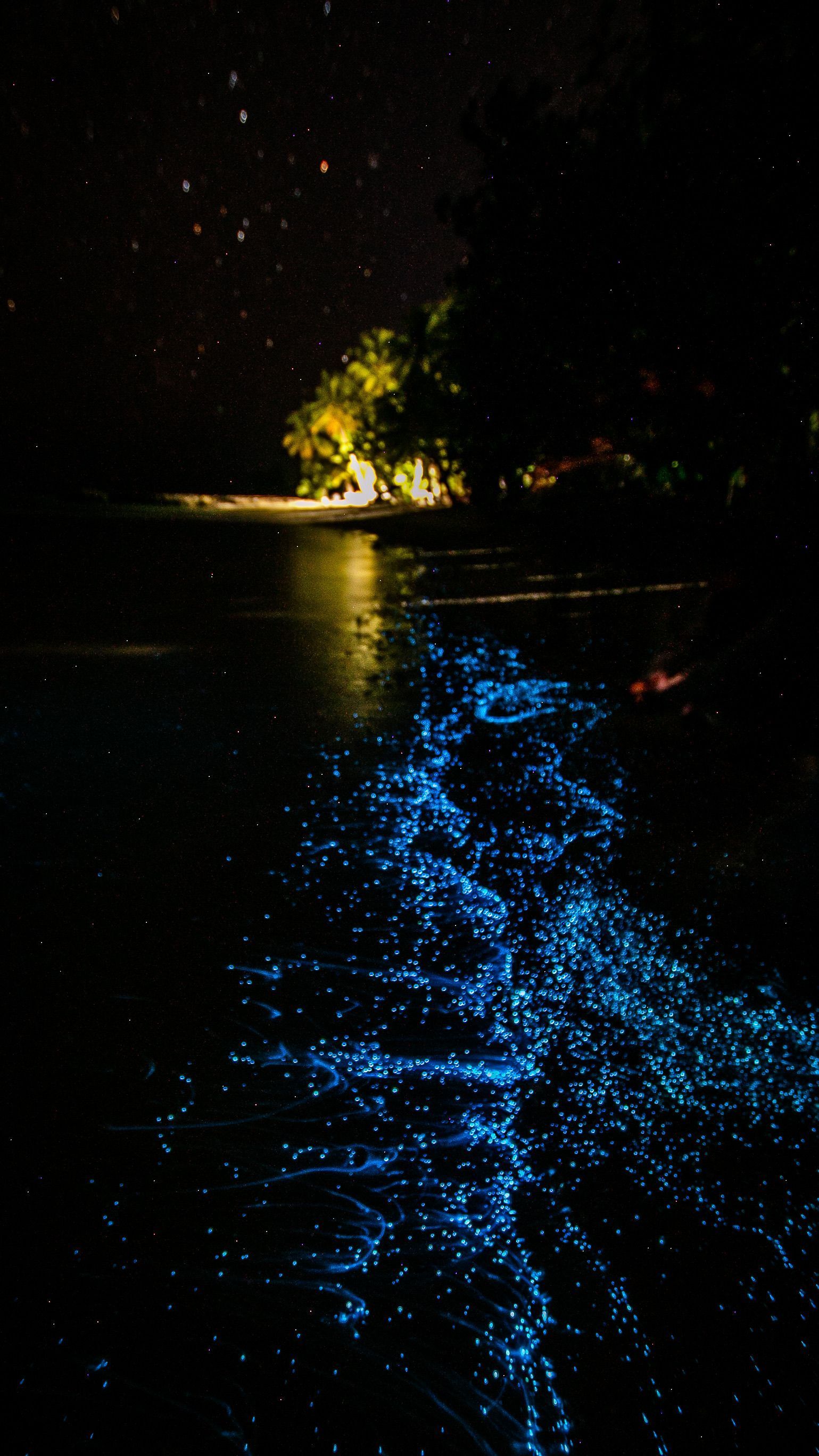
Before comparing the three, it helps to understand what you're actually seeing. Each bay gets its glow from billions of microscopic single-celled organisms called dinoflagellates, specifically Pyrodinium bahamense. When disturbed by movement, these organisms emit a flash of blue-green light through a chemical reaction. Dip your hand in, and it trails fire. Paddle a kayak, and your wake becomes a river of stars.
The intensity of the glow depends on the concentration of dinoflagellates in the water — which is why the three bays look and feel so different from one another. Water temperature, nutrient levels, the shape of the bay, and how well it's protected from pollution all determine how bright a bay glows. Puerto Rico's three bays sit at very different points on that spectrum.
1. Laguna Grande, Fajardo — Best for Convenience & First-Timers
Laguna Grande sits inside the Las Cabezas de San Juan Nature Reserve on Puerto Rico's northeast coast, about 75 minutes from San Juan. It's the most accessible of the three bays, which is exactly why it's the right choice for most visitors — especially those on a short trip who can't justify a ferry ride or overnight stay.
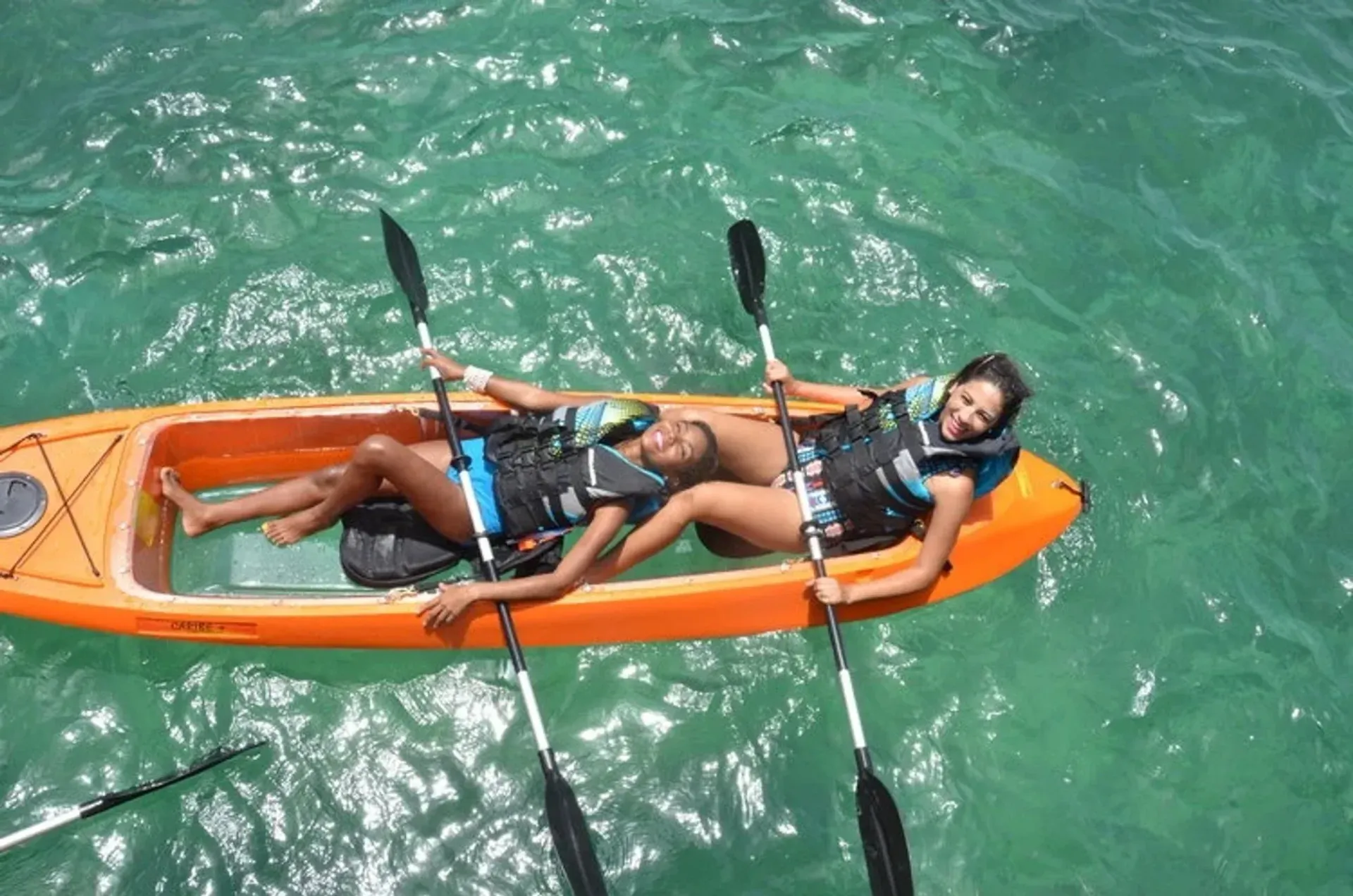
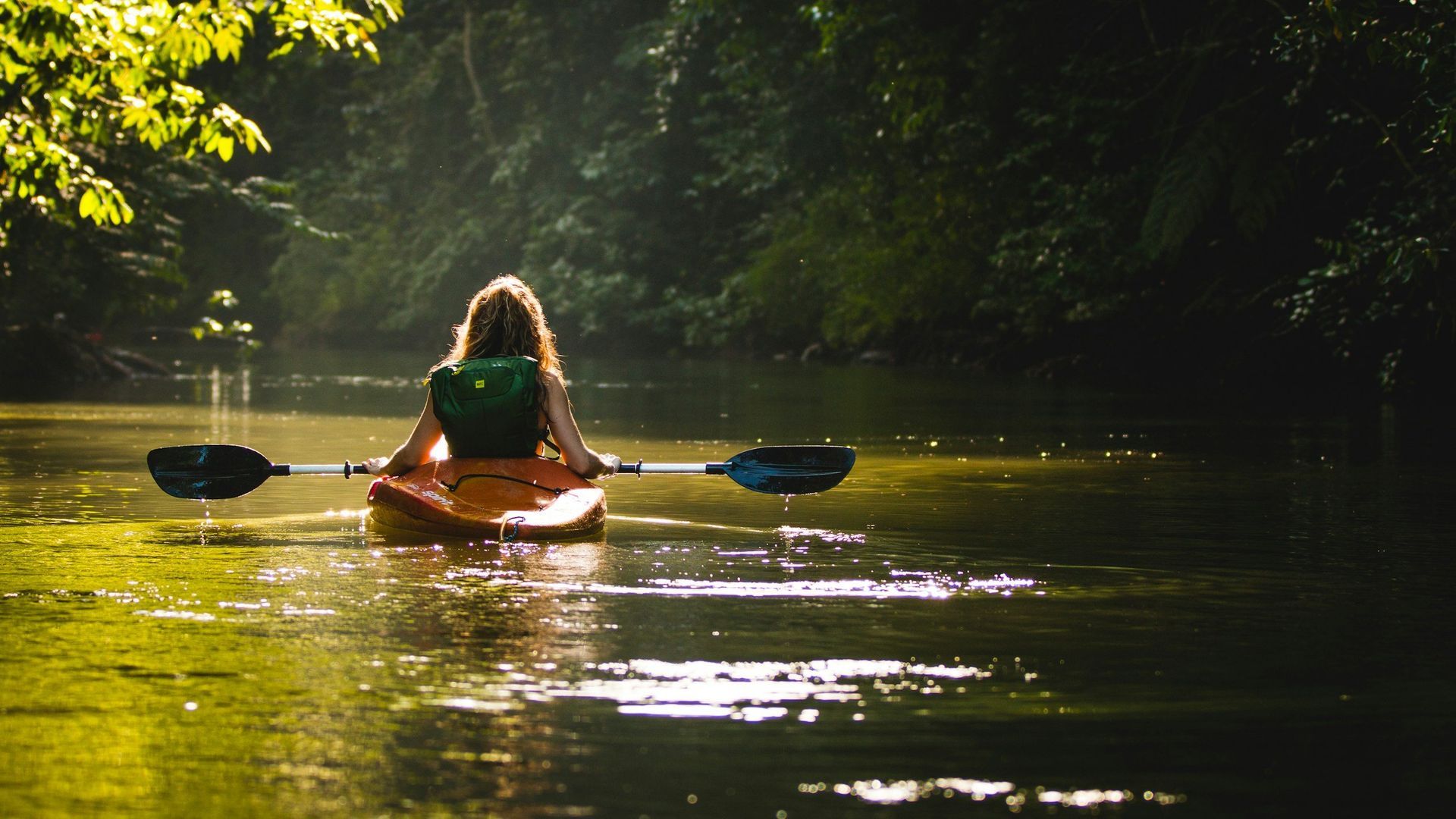
The tour experience here is genuinely beautiful. You start by paddling through a winding red mangrove channel in near-total darkness — the kind of silence that makes you forget you're on a tour at all. The mangroves open into the lagoon, and suddenly your paddle strokes are trailing light. Every fish that darts under your kayak leaves a glowing streak. It's magical in a quiet, intimate way.
Laguna Grande is consistently rated as a "good" bio bay rather than the world's brightest, but don't let that undersell it. On a new moon night, the glow is vivid and absolutely worth the trip. Tours run Monday through Saturday, last about 2 hours, and are beginner-friendly — no kayaking experience required. If you've never paddled before, this is where to start.
Best for:
Visitors staying in San Juan, first-time kayakers, families, and anyone who wants a great experience without logistical complexity.
Getting there:
~75-minute drive from San Juan. No ferry required.
Can you swim?
No — swimming is not permitted at Laguna Grande.
2. Mosquito Bay, Vieques — The World's Brightest Bio Bay
If Laguna Grande is beautiful, Mosquito Bay is otherworldly. Recognized by Guinness World Records as the brightest bioluminescent bay on earth, Mosquito Bay on the island of Vieques is what people picture when they dream of the bio bay experience. The water is so densely packed with dinoflagellates that the glow is intense even on nights with more ambient moonlight than you'd prefer.
No motorized boats are permitted on Mosquito Bay — only kayaks, to protect the ecosystem. That protection is precisely why it's so bright. Swimming is also not permitted. What you get instead is a profound, unobstructed kayaking experience through water that seems lit from within. Every stroke is electric. The silence is total. It's widely considered one of the top natural wonders in the Caribbean.
The tradeoff is logistics. Vieques is an island 8 miles off Puerto Rico's eastern coast, accessible only by ferry from Ceiba (about 45 minutes, though delays are common) or a short Cape Air flight from San Juan. Most travelers who go to Vieques overnight on the island — which honestly makes the trip even better, since Vieques has excellent beaches and a completely different pace from the main island. But it does require more planning and at least one full day.
Best for:
Travelers who want the most intense bioluminescence possible and are willing to plan around it. Ideal if you're already visiting Vieques or can build in an overnight.
Getting there:
Ferry from Ceiba (~45 min) or Cape Air flight (~15 min) from San Juan.
Can you swim?
No — swimming is not permitted to protect the ecosystem.
3. La Parguera — The Only Bay Where You Can Swim
La Parguera sits on Puerto Rico's southwest coast, about 2.5 hours from San Juan. It's the oldest and most developed of the three bio bay destinations, and it offers something the other two don't: you can actually get in the water. Tours here use motorboats rather than kayaks, and guests are taken to a prime spot in the bay where swimming is permitted — you can float in the glow, watch it shimmer around your hands, and swim through trails of light.
That swimming experience is genuinely special and impossible to replicate at the other two bays. It's a completely different kind of connection to the phenomenon. However, La Parguera's bioluminescence has diminished over the decades due to motorboat traffic, light pollution, and development around the bay. It still glows — often beautifully — but it's generally considered the dimmest of Puerto Rico's three bays. Visibility varies considerably by night and season.
The long drive from San Juan (2.5 hours each way) is the other consideration. Some tours depart from San Juan in the afternoon, allowing time to explore the village and have dinner before the evening boat ride — which can make for a very full, rewarding day if you plan it right.
Best for:
Travelers who specifically want to swim in the bioluminescent water. Also great for those exploring the southwest coast or Ponce area.
Getting there:
~2.5-hour drive from San Juan.
Can you swim?
Yes — this is the only bio bay in Puerto Rico where swimming is permitted.
Quick Comparison: Which Bay Is Right for You?
Here's the simple version.
Choose Fajardo (Laguna Grande) if you want a beautiful bio bay experience without complicated logistics — it's the best choice for most visitors and the easiest to add to any Puerto Rico itinerary.
Choose Vieques (Mosquito Bay) if maximum brightness is your priority and you have the flexibility to overnight on the island — you will not be disappointed.
Choose La Parguera if swimming in the bioluminescent water is important to you, or if you're already heading to the southwest coast.
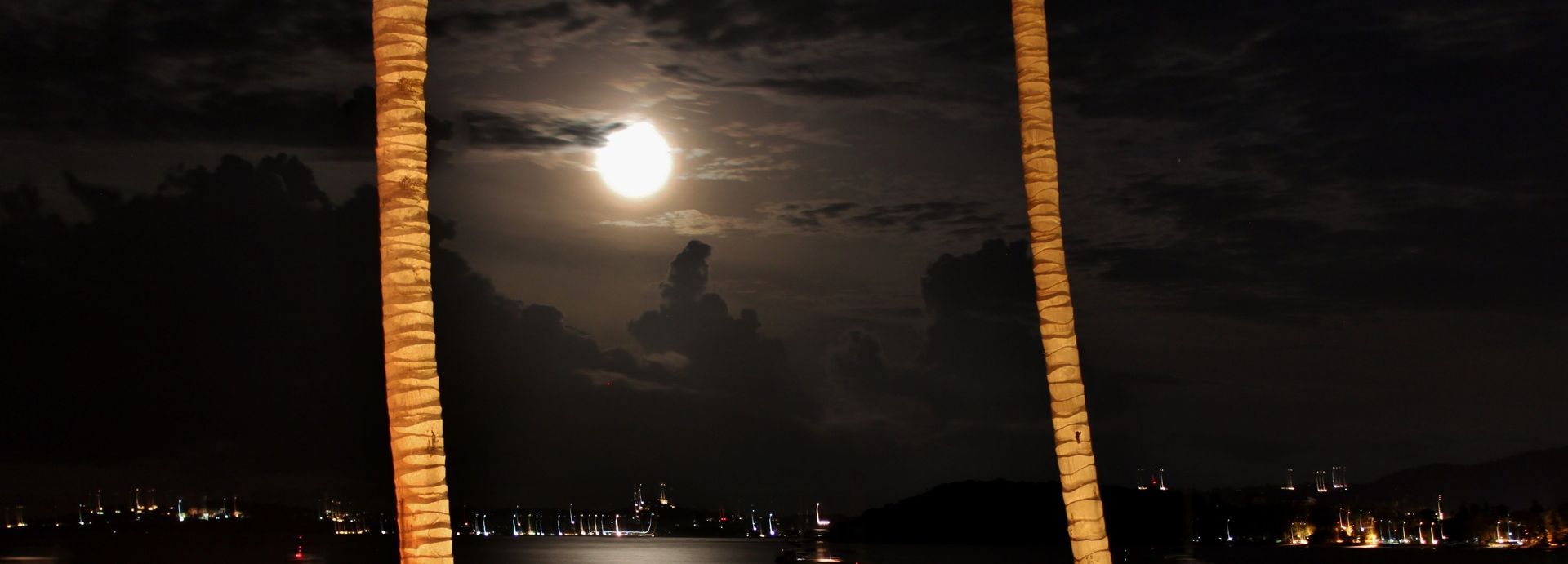
All three bays are most spectacular on or near a new moon, when there's the least ambient light to compete with. If you want to go deeper on timing, read our guide on how the moon affects the bioluminescent bay — it's worth understanding before you book.
Frequently Asked Questions
Which bio bay in Puerto Rico is the brightest?
Mosquito Bay on Vieques holds the Guinness World Record for the brightest bioluminescent bay in the world. Laguna Grande in Fajardo is a close and very accessible second. La Parguera is the dimmest of the three.
Can I swim in the bioluminescent bay?
Only at La Parguera. Swimming is not permitted at Laguna Grande or Mosquito Bay.
When is the best time to visit a bio bay in Puerto Rico?
The bays glow year-round, but visibility is best on new moon nights when there's no competing moonlight. See our full moon phase guide for details on planning your visit.
Do I need kayaking experience?
No. All three tours accommodate complete beginners. Kayaks are stable and easy to paddle, and guides provide full instruction before you head out.
Ready to Book?
We run tours at all three of Puerto Rico's bioluminescent bays and would love to help you choose the right one. If you're still not sure, reach out — we know these bays inside and out and are happy to match you with the experience that fits your trip.