What to Expect on a Bio Bay Kayak Tour in Fajardo (First-Timer's Guide)
You've seen the photos — kayaks leaving trails of glowing blue light across pitch-black water. It looks surreal, almost unbelievable. And if you're like most first-timers, you've got a mental checklist of anxieties to work through before you hit "book": What if I've never kayaked before? How dark is it really? Is it actually worth the drive? Will I be able to see the glow? This guide answers all of it. The Fajardo bio bay kayak tour at Laguna Grande is one of the most magical experiences in Puerto Rico, and we want you to show up ready to enjoy every second of it.
1. Where You're Going: Laguna Grande in Las Cabezas de San Juan
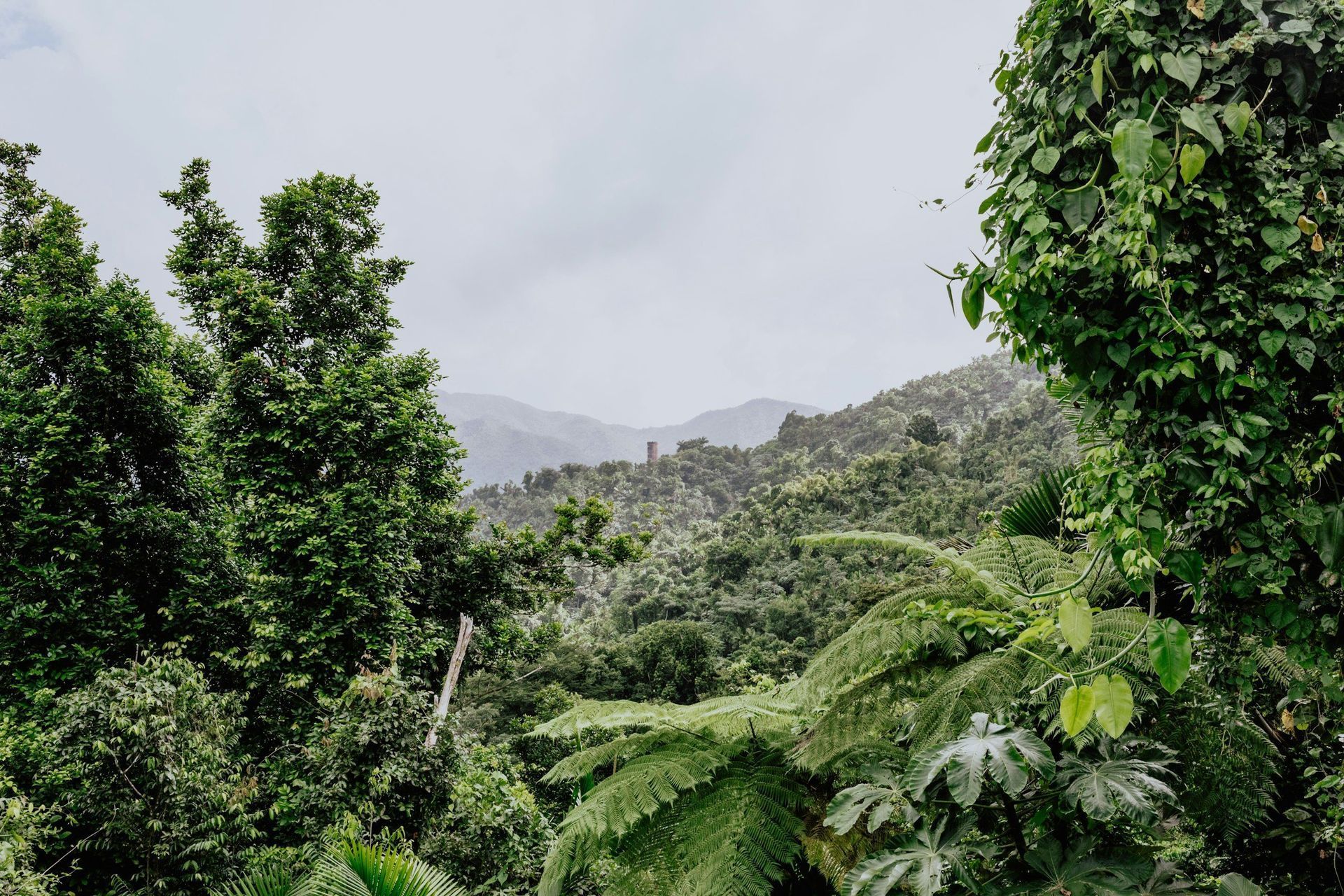
The tour takes place at Laguna Grande, a protected bioluminescent lagoon inside the Las Cabezas de San Juan Nature Reserve on Puerto Rico's northeast coast — about 75 minutes from San Juan. The reserve itself is one of Puerto Rico's most important ecological areas, and the lagoon sits at the end of a winding red mangrove channel that's become part of the experience in its own right.
To get to the lagoon, you paddle through a narrow mangrove tunnel in near-total darkness. The trees arch overhead, the channel twists and turns, and the world gets very quiet. Most guests say this section — before they've even reached the glowing water — is one of the highlights of the whole tour. It sets a tone of genuine natural immersion that's hard to find anywhere else.
The meeting point is at Las Croabas, a small fishing village just north of Fajardo proper. Aim to arrive 20 minutes before your tour time — parking can require a short walk, and you'll want a few minutes to get oriented before the safety briefing starts.
2. Do You Need Kayaking Experience? (No — Here's Why)
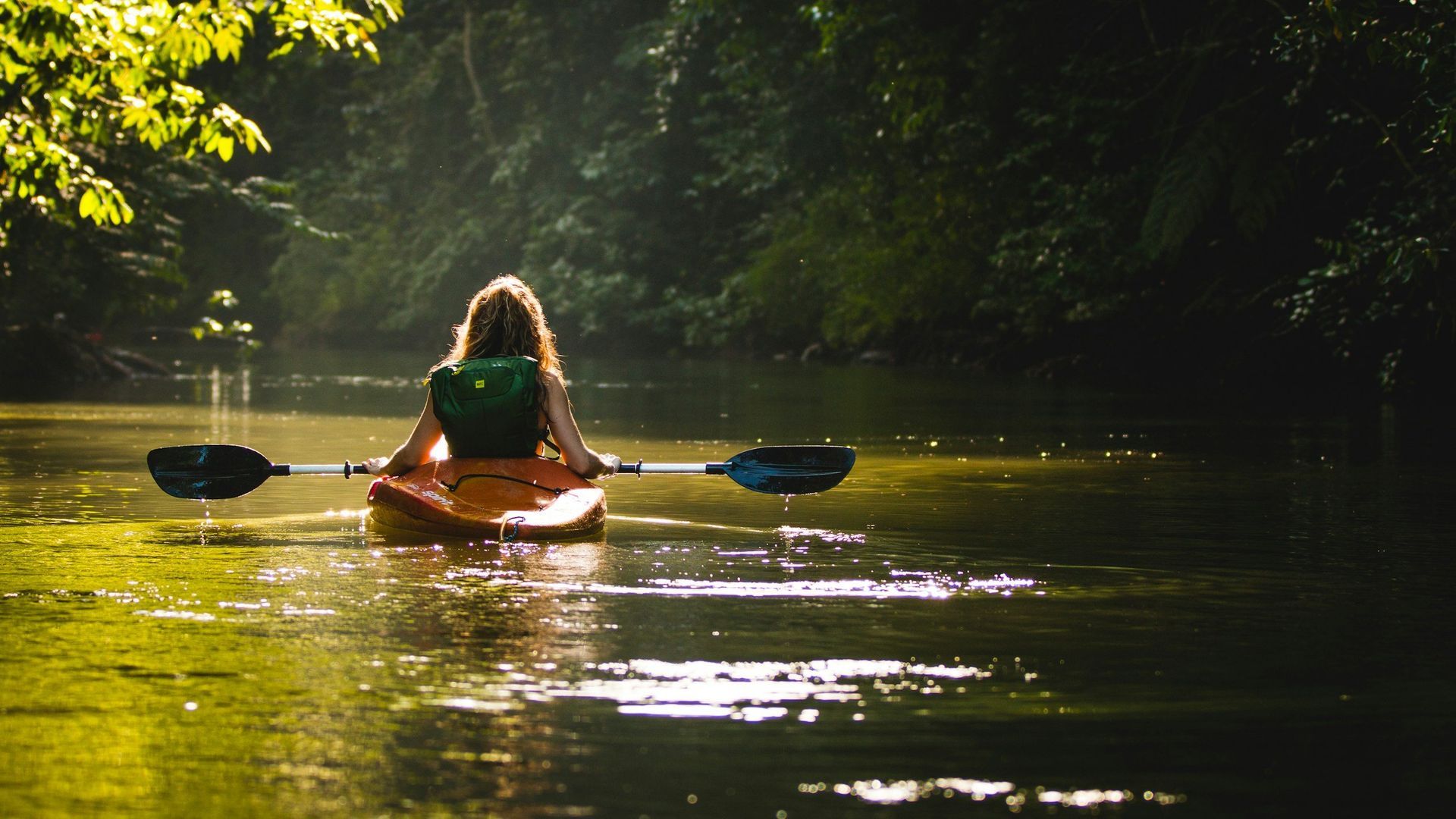
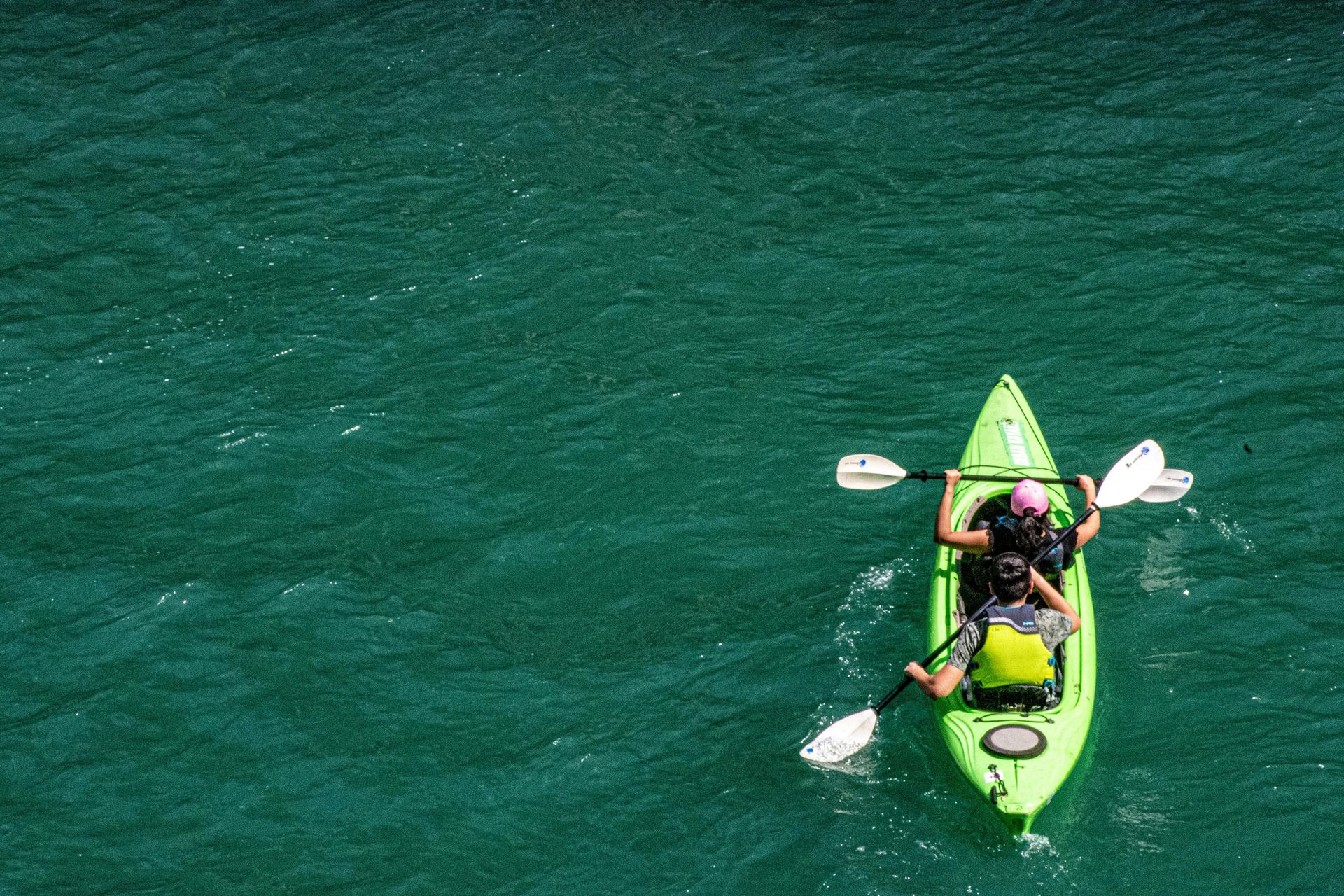
This is the number one question we get, and the answer is simple: no prior experience is required whatsoever. The kayaks used on the Fajardo bio bay kayak tour are wide, stable sit-on-top doubles — the kind that are very difficult to tip. You'll be seated with a partner and paddling together, which makes the whole thing feel natural and manageable even if you've never held a paddle.
Before you launch, your guide will run through a brief but thorough safety and technique briefing on shore. By the time you're on the water, you'll know exactly how to steer, how to slow down, and what to do if you have any trouble. The pace is relaxed — this is not a racing tour. You'll be stopping frequently to let guides point out wildlife, explain the ecology, and give you time to dip your hands in the water and watch the glow.
The canal can get narrow in places, and it's perfectly normal to bump against other kayaks or drift toward the mangrove roots. Your guide handles any tricky sections. Just paddle gently and enjoy the ride.
3. How Dark Is It — And Is That Scary?
It's genuinely dark. By the time you enter the mangrove channel, the sun has set, and inside the channel itself there's very little ambient light from shore. This is intentional — the less competing light, the more vivid the bioluminescence appears. If you're someone who finds total darkness uncomfortable, this is worth knowing upfront.
That said, most people who are nervous about the dark find that the darkness is part of what makes the experience so beautiful, not something to fear. Your guide carries a low-intensity navigation light, and your eyes adjust within minutes. The sense of floating through a black tunnel with only the sound of paddles and water is genuinely meditative — most guests describe it as calming rather than frightening.
If you have young children or family members who are particularly anxious about darkness, some tour operators offer a sunset departure that lets you navigate the mangrove channel while there's still some light, then arrive at the lagoon as darkness fully settles. That's a great option for first-timers who want to ease in.
4. What Will the Bioluminescence Actually Look Like?
Here's the honest answer: it depends on the moon. The bioluminescent organisms — billions of single-celled dinoflagellates called Pyrodinium bahamense — are always present in Laguna Grande. But their glow competes with ambient moonlight, so the experience is dramatically better on or near a new moon, when the sky is darkest.
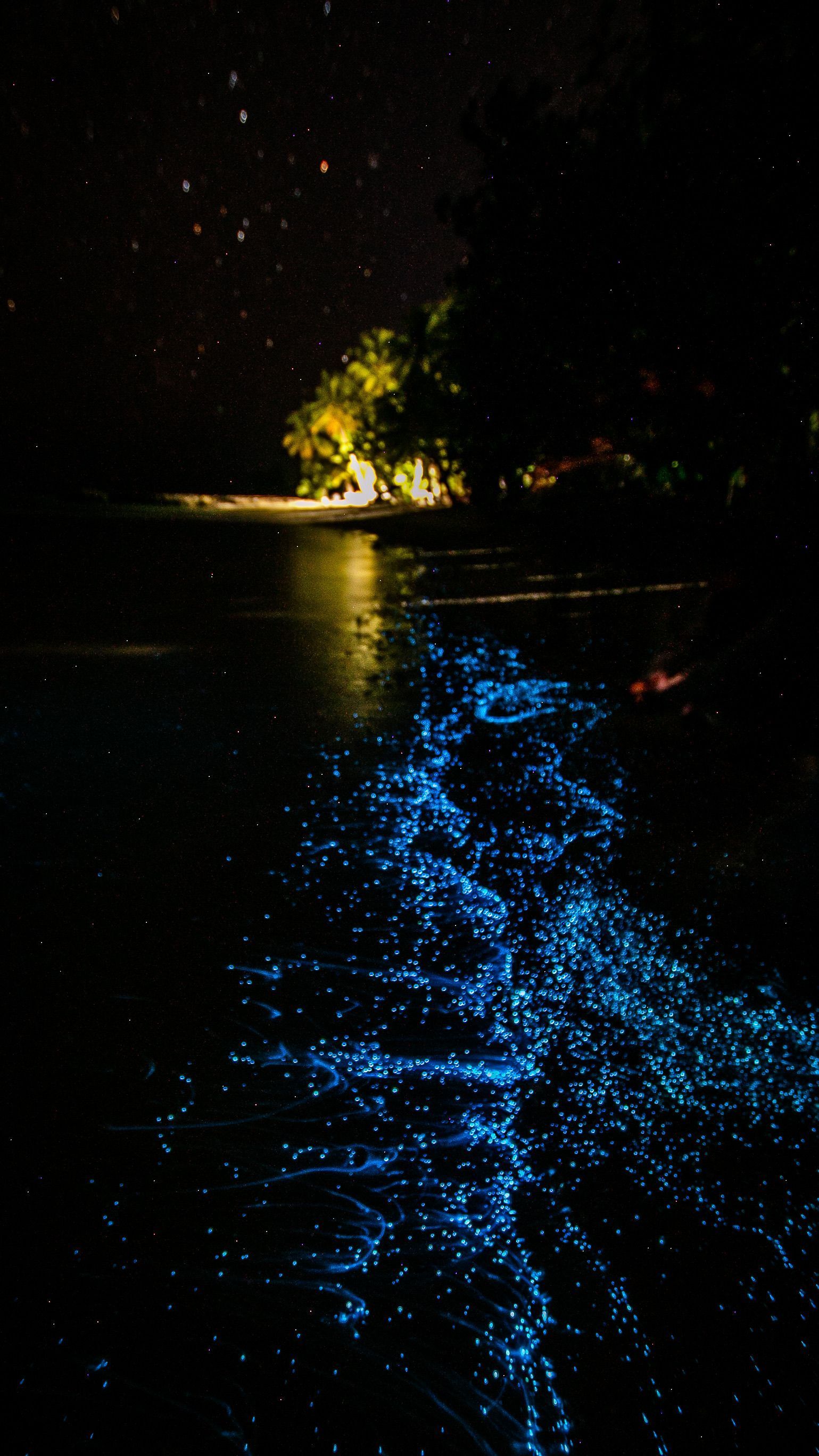
On a new moon night with no cloud cover, the glow is vivid and unmistakable. Every paddle stroke leaves a trail of blue-green sparks. Fish darting beneath your kayak light up like shooting stars. Cup your hand in the water and lift it, and it drips fire. It's the kind of thing that makes grown adults gasp out loud.
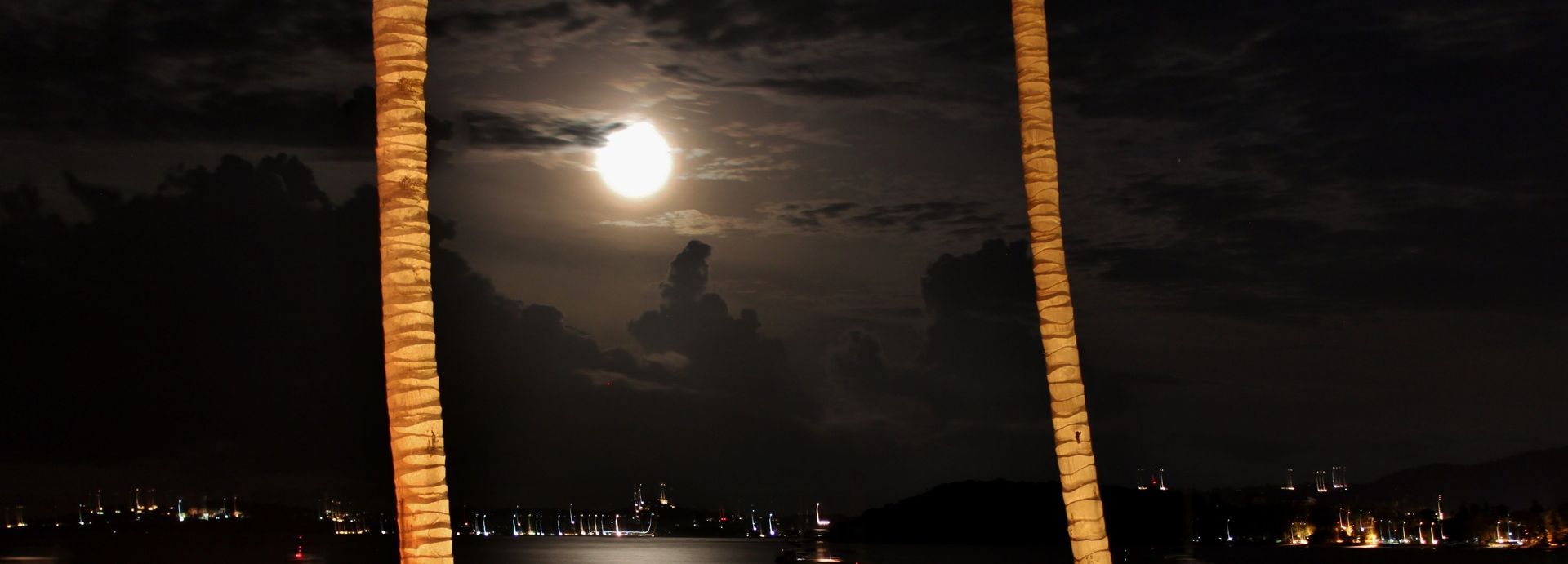
On a full moon night, the glow is still present but subtler — more like a shimmer than a blaze. It's still beautiful and worth experiencing, but temper your expectations slightly. We always recommend checking the lunar calendar when booking. See our full guide on how the moon affects the bioluminescent bay for specific timing advice.
One important note: the glow does not photograph well with standard smartphone cameras . The human eye is far more sensitive to low light than your phone's sensor. Don't spend the tour staring through your screen — put the phone down and just look. It will be more spectacular than any photo you could take.
5. What to Wear and What to Bring
This is a water activity — you will get wet from the waist down. Plan accordingly. Lightweight synthetic clothing or a swimsuit works best; avoid denim or anything heavy that gets cold and uncomfortable when soaked. Leave valuables in your car, including any electronics you're not prepared to lose to the water. Waterproof phone cases are available if you want to bring your phone, but remember: the photos usually don't do the glow justice.
Here's the practical packing list for your Fajardo bio bay tour:
- Wear: Swimsuit or quick-dry shorts and a light shirt. Closed-toe water shoes or sandals with a heel strap. Leave flip-flops in the car.
- Bring: A change of dry clothes and a towel for after the tour. Bug repellent (mosquitoes near mangroves are no joke — apply generously before you launch). A small dry bag if you want to bring a camera or phone.
- Leave behind: Jewelry, valuables, anything that can't get wet or wouldn't survive falling into dark water at night.
Tours provide kayaks, paddles, Coast Guard-approved life jackets, navigation lights, and basic bug spray. Snacks (water and granola bars) are typically included too.
6. Key Requirements to Know Before You Book
A few practical points to check before booking your Fajardo bio bay tour:
- You must be able to swim. In the unlikely event of a capsize, guides need to know you can manage yourself in the water.
- Weight limit is 240–250 lbs per person (varies slightly by operator).
- Pregnant guests cannot participate due to the physical nature of the activity.
- Children are welcome on most tours, with minimum age or weight requirements varying by operator — confirm when booking.
- Tours run Monday through Saturday , year-round, rain or shine (though tours may be canceled in severe weather).
7. Is the Fajardo Bio Bay Tour Worth It?
Without hesitation: yes. Laguna Grande consistently ranks among the top experiences in Puerto Rico for a reason. It's not just the bioluminescence — it's the full package: the mangrove channel in the dark, the nature reserve, the quiet of being on the water at night, and the moment when you realize that the glow you've been reading about is actually real and happening around you. It tends to be one of those travel memories that guests talk about years later.
If you're on the fence because you've never kayaked, or you're worried it might be overhyped, the answer is: go on a new moon night, dress for getting wet, and trust your guide. You'll be glad you did.
Ready to Book Your Fajardo Bio Bay Kayak Tour?
We run bio bay kayak tours at Laguna Grande year-round. Check availability and lock in your spot — especially if you're targeting a new moon date, those nights fill fast.