How the Moon Affects the Bioluminescent Bay (And How to Plan Around It)
You've decided you want to see the bioluminescent bay. You've picked your destination; maybe Mosquito Bay in Vieques, maybe Laguna Grande in Fajardo. Now comes the question that separates a good experience from a transcendent one: when exactly should you go?
The single most important factor, more than the season, more than the weather, more than the specific bay, is the phase of the moon.
Get this right, and the water will look like liquid starlight. Get it wrong, and you'll spend two hours paddling through what looks like ordinary dark water wondering if the whole thing is over-hyped. This guide explains everything you need to know.
Key takeaways
- Moon phase matters more for bioluminescence visibility than season, weather, or which bay you pick
- Best window is 3 to 5 days before or after a new moon, up to 7 days out still works
- Avoid the 3 days around a full moon, Vieques operators are legally barred from running Mosquito Bay tours during that stretch
- New moon tour dates can sell out 2 to 3 months ahead at Mosquito Bay, so book early if you're targeting one
- Rain and rough water also dim the glow, but nothing affects it as much as the moon does
1. Why the Moon Matters So Much
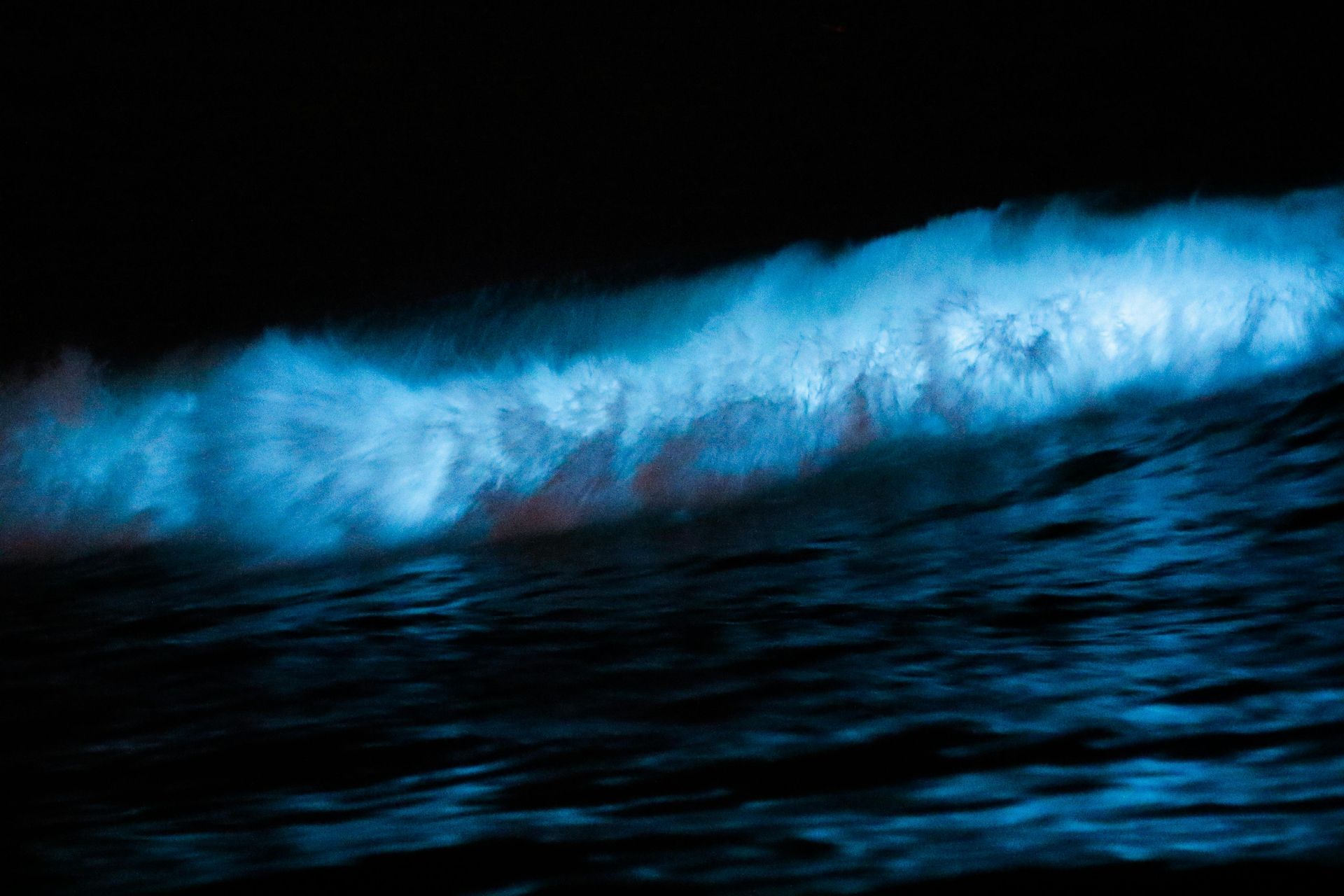
The bioluminescence in Puerto Rico's bays comes from billions of microscopic organisms called dinoflagellates, specifically Pyrodinium bahamense. When disturbed by movement, they emit a brief flash of blue-green chemical light. This glow is always present, but it's fundamentally delicate: it's most visible against total darkness, and the moon is its primary competitor.
On a new moon night, the sky is as dark as it gets. No moonlight reflects off the water's surface, and even the faintest blue spark from a dinoflagellate is clearly visible. Your paddle strokes leave long trails. Fish darting beneath the kayak glow like shooting stars. The experience is vivid and unmistakable.
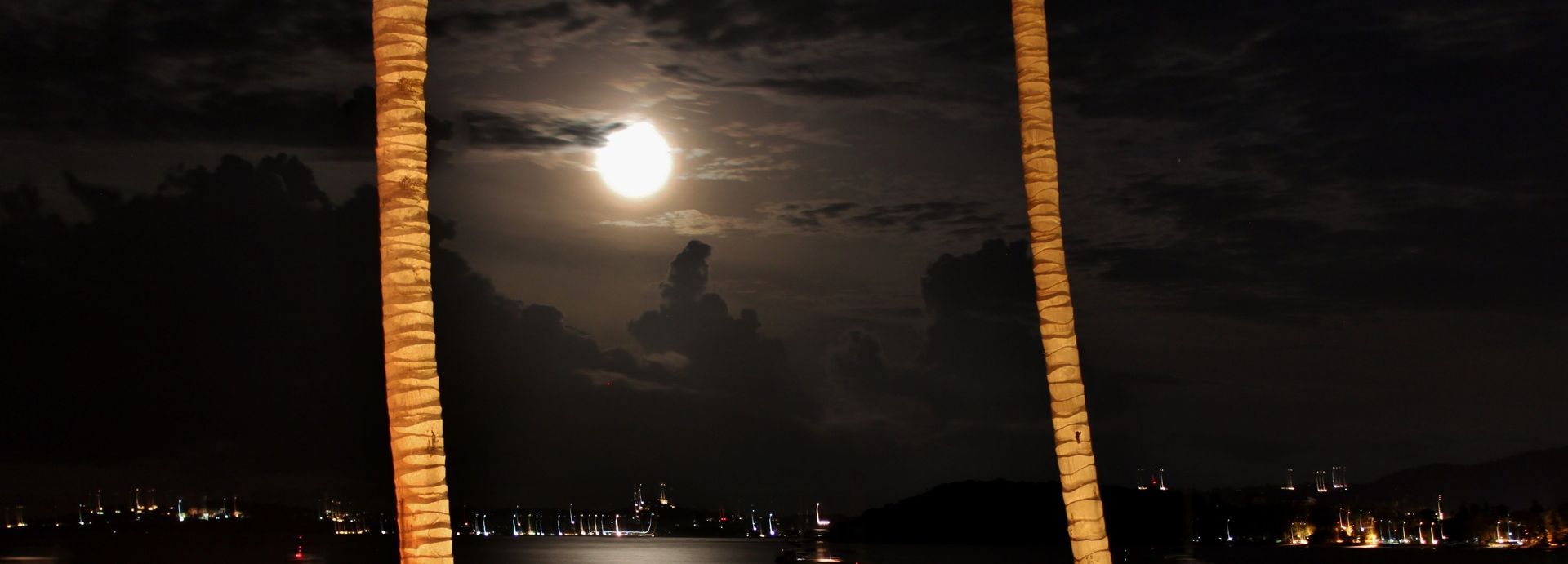
On a full moon night, the opposite is true. Moonlight floods the surface of the water, washing out the contrast. The dinoflagellates are still there, still glowing but their light is drowned by reflected moonlight, the same way stars disappear from the sky when the sun is up. The bay still glows somewhat, but the experience is muted.
Some tour operators in Vieques are prohibited by law from running bio bay tours one day before and one day after the full moon because visibility is so poor it's simply not worth sending guests out.
The glow is reliably visible for roughly 2.5 weeks out of every month and the window around the new moon when the sky is dark enough for the bioluminescence to shine. Understanding that window is the key to booking smart.
2. The Ideal Booking Window: 3–5 Days Around the New Moon
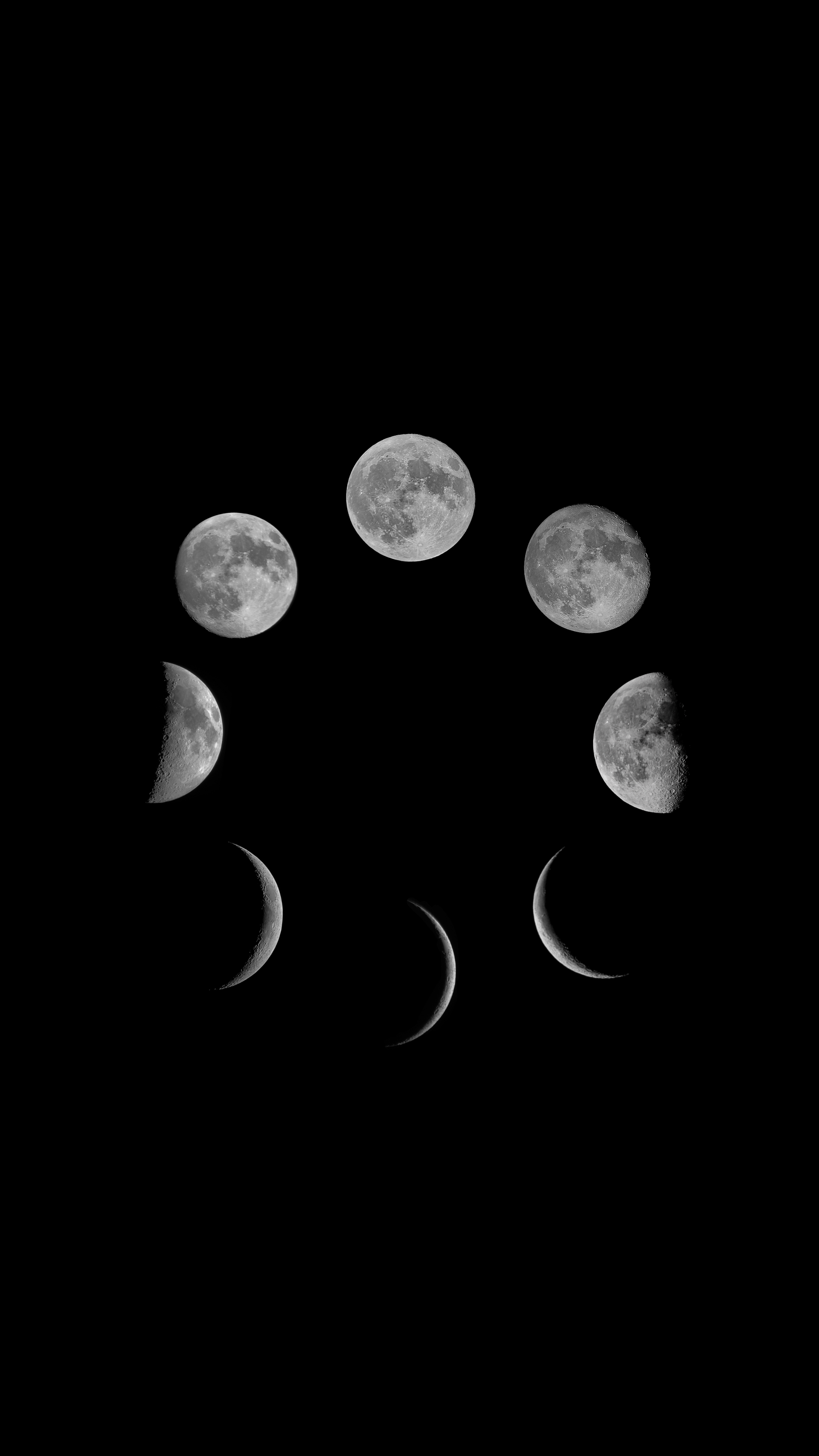
The sweet spot for visiting any of Puerto Rico's bioluminescent bays is within three to five days before or after the new moon. During this window, the sky is at its darkest, even accounting for the time it takes for moonrise. Most experienced guides and tour operators in Vieques specifically recommend this window as the best for maximum glow.
Here's why the window extends a few days in each direction: it's not just about the moon's phase, but about its rise and set times. Even a half-moon can be fine for a bio bay tour if the moon rises after midnight.
By the time you're on the water at 7 or 8pm, the sky is still dark. Conversely, a waxing crescent can cause problems if it's high in the sky during your tour window.
So while "new moon ± 3 days" is a reliable rule of thumb, the technically precise approach is to check both the moon phase and the moonrise time for the night you're planning to go.
Practically speaking, the rule that works for most visitors is this: if you're within 7 days of a new moon, you're in good shape.
3. The Worst Nights to Visit (And When to Reschedule)
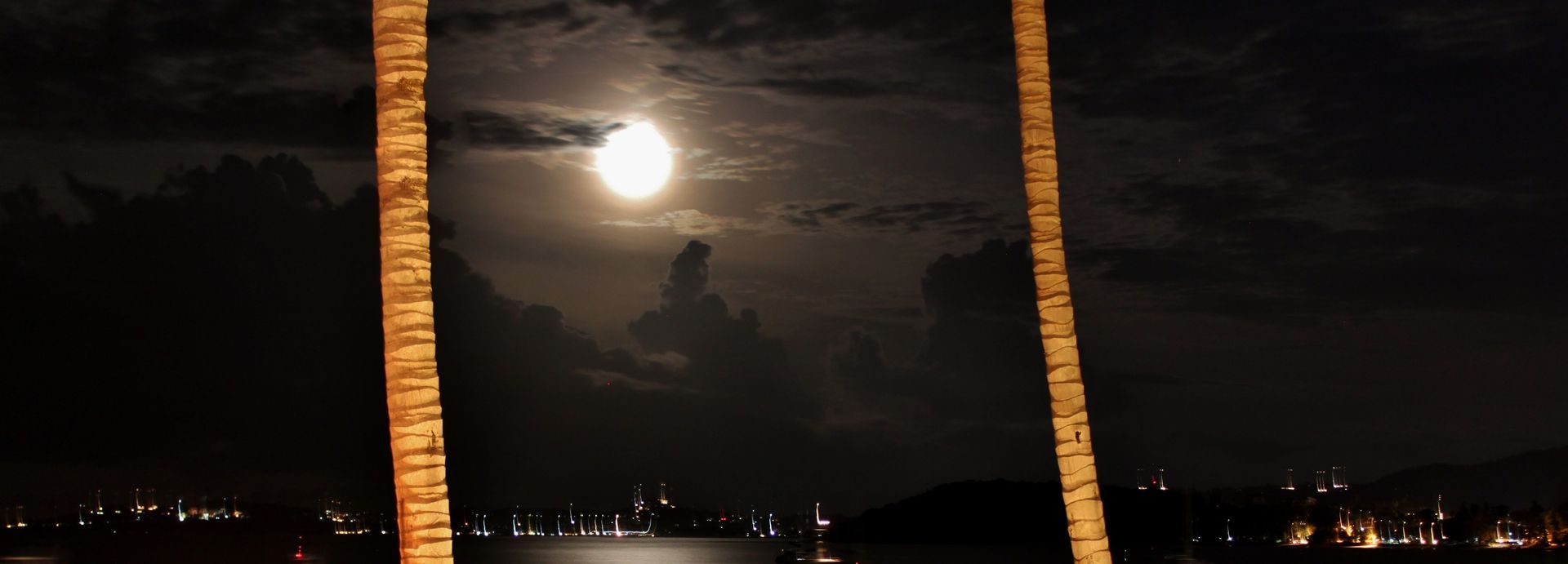
The three days surrounding the full moon are the nights to avoid; one day before a full moon, the full moon itself, and one day after.
In Vieques, tour operators are actually restricted from running Mosquito Bay tours during this period, which tells you everything you need to know about the visibility.
Rain can also reduce visibility by clouding the water, and warm, calm water tends to produce better glow than rough or cold water. Summer months (July–October) have the warmest water temperatures, which correlates with higher dinoflagellate activity. December through April offers the clearest water visibility during the dry season. Both seasons produce excellent experiences — the key remains the moon above all else.
4. How to Check the Moon Phase Before You Book
The good news is that planning around the moon is easy. Here's a simple process:
First, identify your travel dates. Then check a lunar calendar for Puerto Rico — timeanddate.com has accurate moonrise/moonset data for specific locations including Mosquito Bay Beach and Vieques. Look for new moon dates within or near your travel window. If you have flexibility in your dates, shift your bio bay tour night to land within 3–5 days of a new moon.
If you have no flexibility and your only available night is near a full moon, go anyway — a muted glow is still worth experiencing, and the mangrove channel paddle and nature reserve experience at Laguna Grande is worth the trip regardless of lunar phase. Just temper your expectations for the bioluminescence specifically.
One important note: new moon nights book out fast . Savvy travelers and tour operators both know these dates are prime, and popular tours at Mosquito Bay in Vieques can sell out 2–3 months in advance during peak moon windows. If you're targeting a specific new moon date, book early.
5. Moon Phases and Each Bay: What to Know by Location
Mosquito Bay, Vieques — Because the bay is so well-protected and the dinoflagellate concentration is so high, it's spectacular on good nights and still impressive on mediocre ones. But it's also the only bay where operators are restricted from running tours near the full moon, which gives you a clear signal about how seriously to take lunar timing here.
Laguna Grande, Fajardo — Slightly less intense than Mosquito Bay, which means moon phase matters even more at Laguna Grande. On a new moon night, Laguna Grande is extraordinary. On a full moon night, it's noticeably dim. Plan ahead and you'll have a completely different experience.
La Parguera — The dimmest of the three bays under any conditions, which means moon phase is arguably the most critical factor here. Visit on a new moon night and you'll have a genuinely magical swim. La Parguera rewards planning more than the other two bays.
available tours
Pick your new moon window, choose your bay, and lock in your tour early, especially if Vieques is on the list.
FAJARDO BIO BAY KAYAK TOURS
MOSQUITO BAY KAYAK TOURS
PARGUERA BIO BAY BOAT TOURS
Frequently Asked Questions
Does the moon phase affect all three bays equally?
Yes, though the impact is most pronounced at La Parguera (dimmest bay) and least critical at Mosquito Bay (brightest bay), which can still produce a strong glow even under modest moonlight.
What is the best moon phase for the bioluminescent bay?
New moon, or within 3–5 days before or after it. The darker the sky, the more vivid the glow.
What other factors affect visibility?
Rain can cloud the water and reduce visibility. Calm water is better than rough. Warmer water (summer months) tends to mean higher dinoflagellate activity. But none of these factors has as much impact as the moon.
How far in advance should I book a new moon tour?
For Vieques (Mosquito Bay), roughly 1 month ahead is wise during peak season. For Fajardo, 1–3 weeks ahead is usually sufficient, though new moon nights do fill faster than others.
Can you see the bio bay on a full moon?
You'll see something, but it will be less vivid than on a dark moon night. Some operators in Vieques don't run tours on full moon nights at all.
Recent Posts