Mosquito Bay Vieques: Complete Guide to the World's Brightest Bioluminescent Bay
There are a handful of places on earth so extraordinary that photographs fail to prepare you for what you're about to see. Mosquito Bay in Vieques, Puerto Rico is one of them, officially recognized by Guinness World Records as the brightest bioluminescent bay in the world , and this guide will tell you exactly how to make the most of the experience.
Key takeaways
- Mosquito Bay is the Guinness World Record holder for the brightest bioluminescent bay, a title it's held since 2006
- Access is tour-only, no independent visits and no swimming allowed
- Best visibility is 3 to 5 days around a new moon, tours are legally banned near the full moon
- Reach Vieques by a $2 ferry from Ceiba (45 minutes) or a short Cape Air flight
- Skip DEET repellent, it kills the organisms that make the water glow
1. What Makes Mosquito Bay So Extraordinary
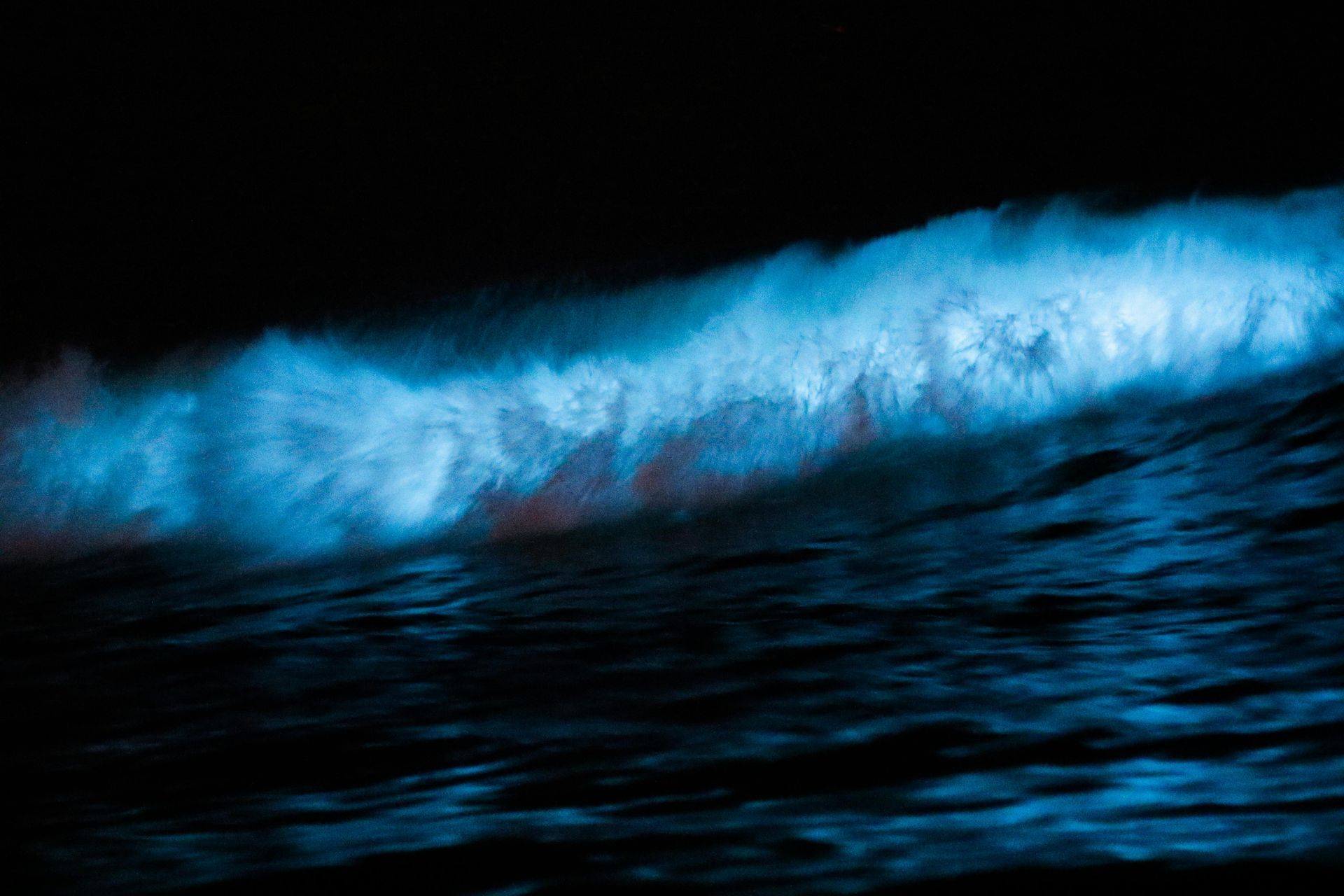
Every bioluminescent bay glows because of microscopic organisms called dinoflagellates, specifically Pyrodinium bahamense, which flash blue-green light when disturbed by movement. Mosquito Bay's shallow depth and narrow entrance trap an unusually dense population of them inside the lagoon, and no other known bay on earth comes close to its concentration.
700,000
dinoflagellates per gallon
2006
year it set the Guinness World Record
The bay's name has a pirate's story behind it. In the early 19th century, the Puerto Rican corsair Roberto Cofresí used the bay to hide his ship, El Mosquito, and the bay kept the name ever since.
2. Getting to Vieques: Ferry vs. Flight
Vieques is about 8 miles off Puerto Rico's eastern coast. Getting there requires either a ferry or a short flight, and both are worth booking ahead, especially around a new moon when demand is highest.
Ferry
~45 minutes, $2 each way
Departs Ceiba (90 min from San Juan)
Cape Air flight
15-25 minutes, $100-150 round trip when booked ahead
Departs San Juan (SJU or Isla Grande)
Check out our Ferry Guide for more information.
A day trip to Vieques for the bio bay is logistically difficult since the tour doesn't start until after dark. Most visitors build in at least one overnight stay, which is a feature, not a bug: Vieques has some of the best beaches in the Caribbean.
3. The Mosquito Bay Kayak Tour: What to Expect
Access to Mosquito Bay is permitted only through licensed tour operators, a conservation measure that's part of why the bay stays so bright. Most tours depart from Esperanza, a small fishing village on the island's southern coast.
Depart Esperanza
Tours gather in this small fishing village, the hub for bio bay tourism.
Guided paddle begins
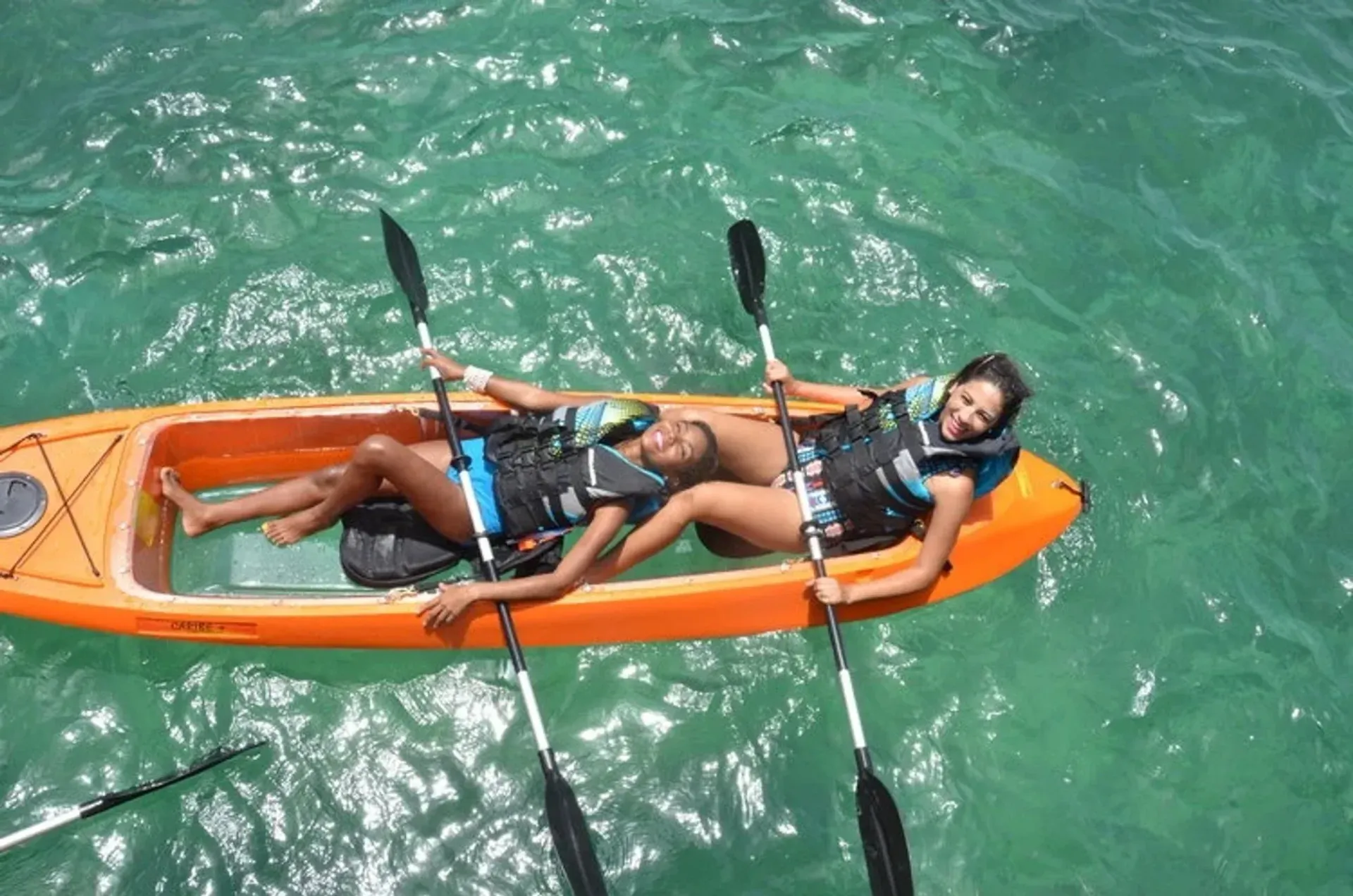
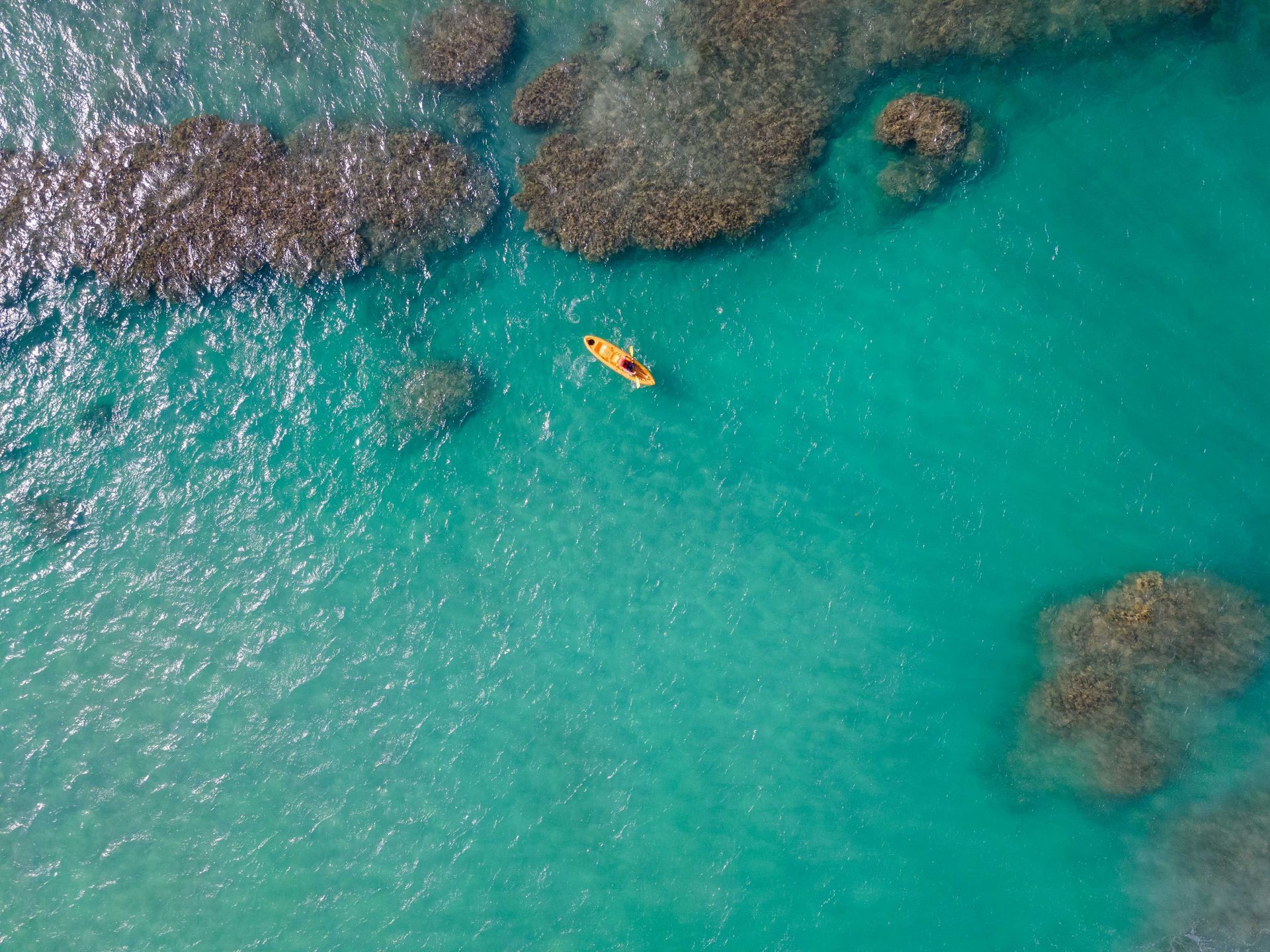
1-2 hours by kayak, including clear-bottom kayaks on some operators' fleets.
The glow
Paddling over the dense bioluminescent water feels like floating above a field of stars.
Science and conservation
Your guide explains the dinoflagellates and how the bay's ecosystem is protected.
🌴 Local tip: Don't apply DEET-based insect repellent before the tour. DEET is toxic to dinoflagellates and can kill the organisms you've come to see. Use a DEET-free bug spray, or rinse your hands before touching the water.
4. When to Visit Mosquito Bay (Moon Phase Guide)
The single most important decision you'll make when planning your visit is when to go. The bioluminescence is always present, but its visibility depends on how dark the sky is, which makes lunar timing everything.
Best window
3-5 days before or after a new moon, when the sky is darkest and the glow is most vivid
Worst window
3 days around the full moon, when tours are legally banned in Vieques
If you're targeting a specific new moon window, book your tour 1-2 months in advance. These nights generally sell out.
Ready to see it for yourself?
Check tour times and availability for Mosquito Bay
5. Hurricane Maria and the Bay's Resilience
When Hurricane Maria devastated Puerto Rico in September 2017, the bioluminescent bays were among the storm's many casualties. Mosquito Bay's glow dimmed significantly in the months that followed, as the hurricane disrupted the lagoon's delicate ecology, stirred up sediment, and stressed the dinoflagellate population. For a period, there was genuine concern the bay might not recover.
It did. Within a couple of years, the glow had returned to its pre-hurricane intensity, a reminder of nature's capacity for self-repair when the conditions that made it extraordinary in the first place return. Today, Mosquito Bay is as bright as ever, and the tour operators and conservation community work to keep it that way.
6. Vieques Beyond the Bio Bay: Why to Stay Overnight
Don't just come for the bio bay and leave. Esperanza, the village where most tours originate, has excellent seafood along the malecón and a laid-back, genuinely local atmosphere, and Isabel Segunda, the island's main town, has a historic Spanish colonial fort. A night or two here, waking up to Vieques's beaches, then staying out after dark for the bio bay, is one of the best two-day itineraries Puerto Rico has to offer.
Ready to Book Your Vieques Bio Bay Tour?
Frequently Asked Questions About Mosquito Bay
Is Mosquito Bay still the world's brightest bioluminescent bay?
Yes. Mosquito Bay holds the Guinness World Record for the brightest bioluminescent bay in the world, a title it has held since 2006. It contains up to 700,000 dinoflagellates per gallon of water, more than any other known bay on earth.
Can you swim in Mosquito Bay?
No. Swimming is not permitted in Mosquito Bay in order to protect the dinoflagellate ecosystem. This restriction is one of the reasons the bay remains so extraordinarily bright.
How do I get to Vieques from San Juan?
By ferry from Ceiba (~45 minutes, $2 each way) or by Cape Air flight from San Juan (~15-25 minutes, $100-150 round trip when booked ahead). Both require advance booking. Plan for at least one overnight stay to make the most of the trip.
What is the best time of year to visit Mosquito Bay?
The bay glows year-round. The most important timing factor is the moon, visit within 3-5 days of a new moon for peak visibility. July-October has the warmest water; December-April has the clearest water.
What is DEET and why does it matter?
DEET is the active ingredient in many insect repellents. It is toxic to dinoflagellates and can damage the bay's ecosystem. Use DEET-free bug spray before your tour, and avoid getting sunscreen or lotion in the water.
Recent Posts